
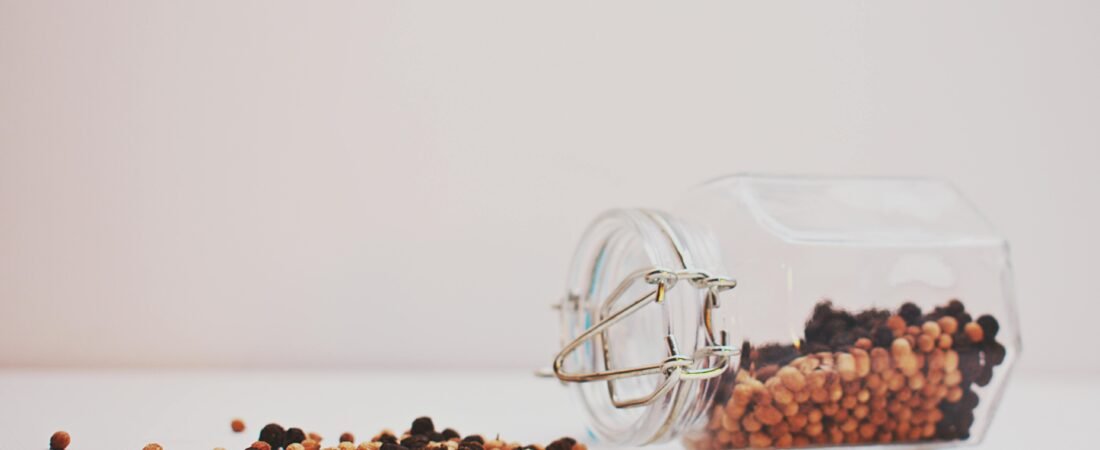
🔥 Peppercorn: The “Sun” Spice That Lit Up the World
Few spices have had as much impact on global history as the humble peppercorn — sometimes even metaphorically called “Sun” in ancient texts, due to its fiery energy and golden trade value. Though small in size, peppercorns have journeyed through empires, changed economies, and earned a place in sacred medicine and kitchens alike.
🌍 A Global Tale of Spice and Power
- India is considered the birthplace of black pepper (Piper nigrum), especially from Kerala’s Malabar Coast. Ancient Sanskrit texts referred to it as “Maricha”, which is also one of the names of the Sun — symbolizing heat, potency, and life-force (or Agni).
- The Romans prized pepper so highly that they used it as currency. Pliny the Elder once complained about Rome’s obsession with it, noting its high price and ubiquity.
- In medieval Europe, pepper was known as “black gold”. It spurred global exploration — including Vasco da Gama’s voyage to India — and fueled spice trade routes that shaped the colonial age.
- In Ayurveda, pepper is known as “Trikatu” when combined with ginger and long pepper. It’s believed to stoke Agni (digestive fire), cleanse toxins (ama), and promote longevity.
- Traditional Chinese Medicine (TCM) views pepper as warming and yang-enhancing — used to drive out cold, dampness, and stimulate Qi.
- In African and Middle Eastern cultures, pepper was a prized culinary and medicinal staple, sometimes even offered to deities or used in preservation rituals.
☀️ Why “Sun”?
- Peppercorns are fiery, warming, and stimulating — much like the energy of the sun.
- Symbolically, they “ignite” digestion, energy, and vitality — connecting body and spirit.
- In many spiritual traditions, heat is seen as purification — and pepper’s warming properties were used both metaphorically and physically to cleanse and rejuvenate.
🩺 Health Benefits That Still Shine
Modern science confirms many of the ancient claims:
- Improves digestion by stimulating hydrochloric acid in the stomach.
- Enhances bioavailability — especially the compound piperine, which increases absorption of nutrients and medications (notably, turmeric’s curcumin).
- Rich in antioxidants — helping reduce inflammation and cellular damage.
- Supports metabolism and may aid weight loss by enhancing thermogenesis.
- Natural decongestant — clearing sinuses and respiratory pathways.
🧙🏾♀️ Folklore & Stories
- In Kerala, pepper was once called “black diamonds”, and tales speak of it being guarded in temple storerooms.
- In medieval Europe, pepper was so prized that it was included in dowries and inheritance agreements.
- Folktales in South India personify peppercorns as tiny “warriors of fire” sent to battle disease and cold.
🍲 Cultural Uses That Continue Today
From the fiery rasam in South Indian kitchens to Moroccan spice blends, from Chinese stir-fry to European sauces — pepper is still one of the most widely used spices in the world.
Peppercorn may be small, but its story spans continents, cultures, and centuries. More than just a seasoning, it’s a symbol of heat, health, and movement — a spark of sun in our meals and medicines. Whether you use it in a curry or a cough remedy, you’re continuing a tradition as old as civilization itself.